Research
How circuits and internal states shape what an animal does, and the light-driven tools I build to switch those circuits on and off in the fly brain.
Selected research
Neural circuits of behavior in Drosophila
A large-scale optogenetic and behavioral ethomics study of how brain circuits shape movement in Drosophila, forming the core of my PhD thesis.
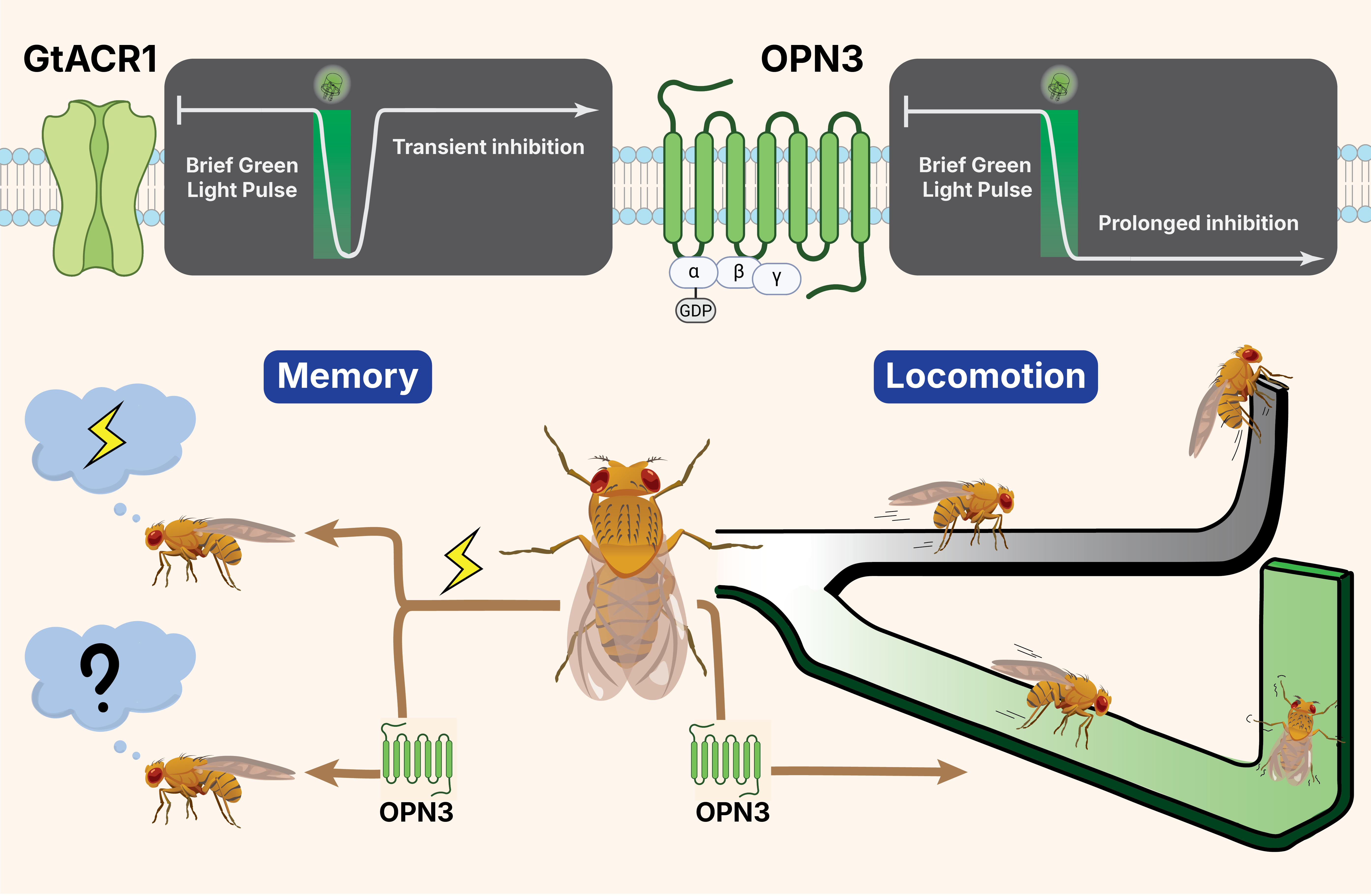
The silence after the light
A bistable opto-GPCR that lets us silence Drosophila neurons for minutes with a single brief flash of green light, providing a low-toxicity optogenetic tool for studying neural circuits and behavior.
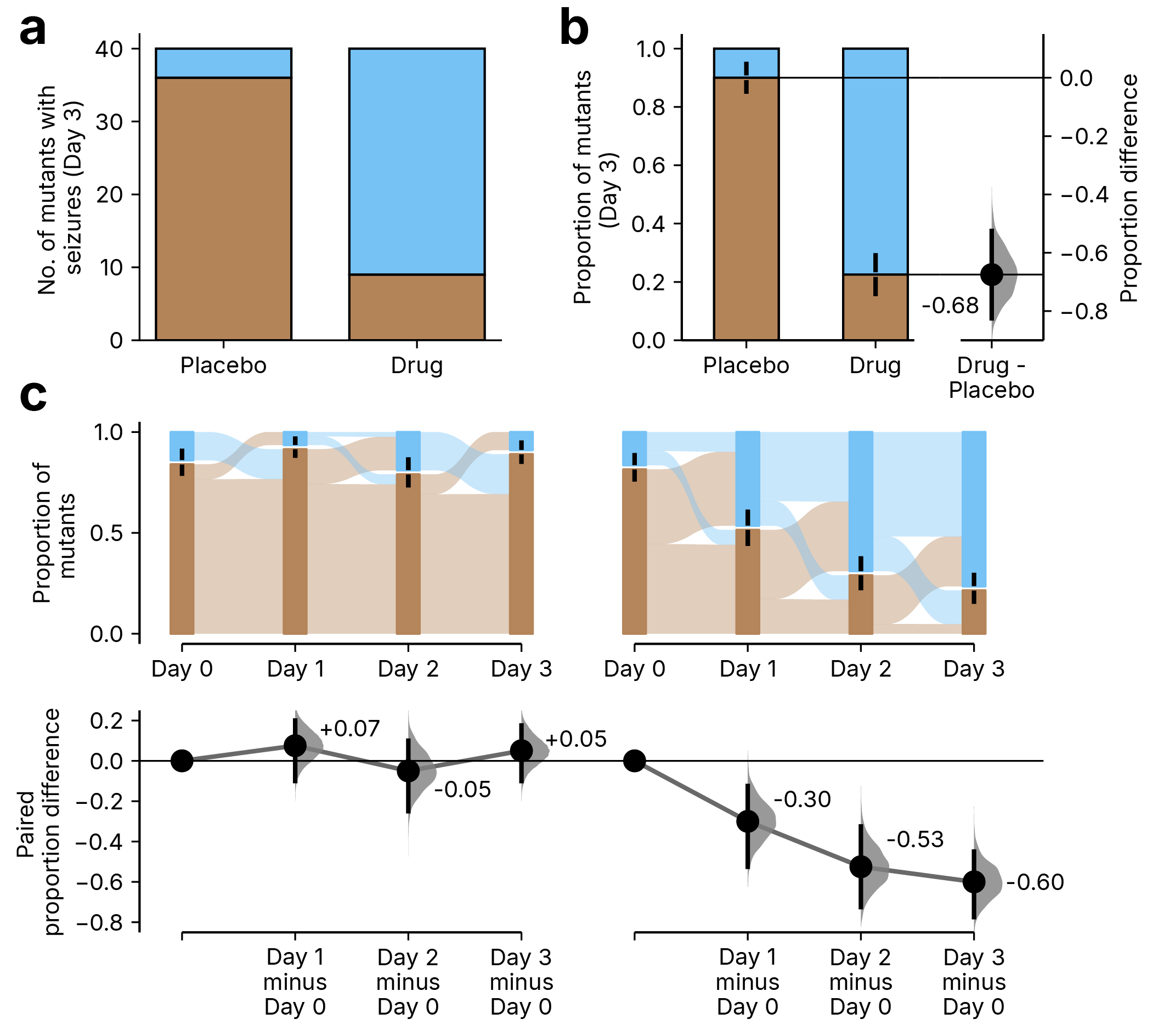
DABEST 2.0: estimation statistics
Estimation graphics for effect sizes instead of p-values. I helped develop DABEST’s proportion plot for binary data and carried out the literature survey that motivated it.
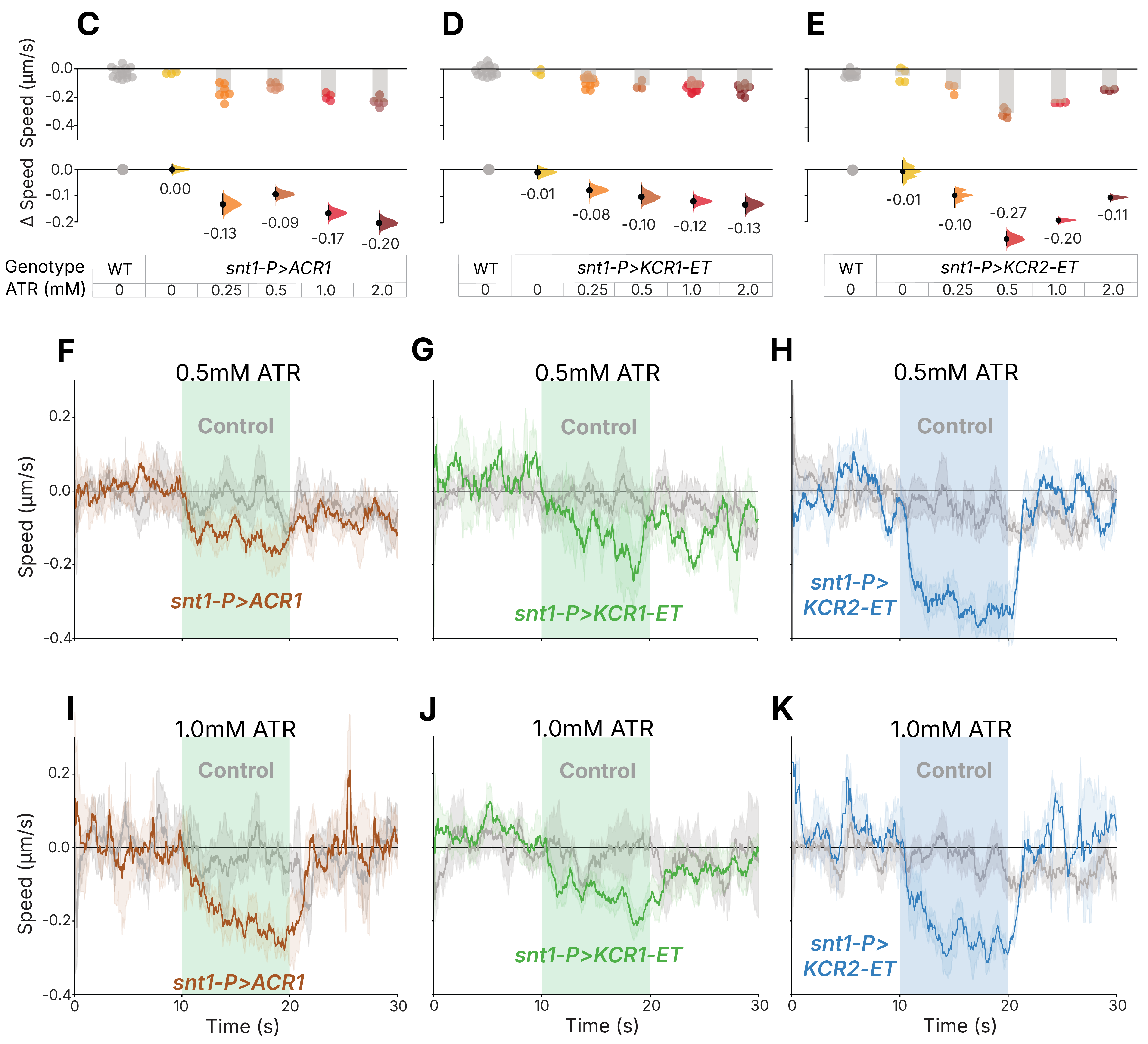
Kalium channelrhodopsins
As part of a cross-species evaluation of kalium channelrhodopsins (KCRs) as potassium-selective optogenetic silencers, I led the C. elegans behavioral studies, building the assay, tracking system, and testing pipeline.
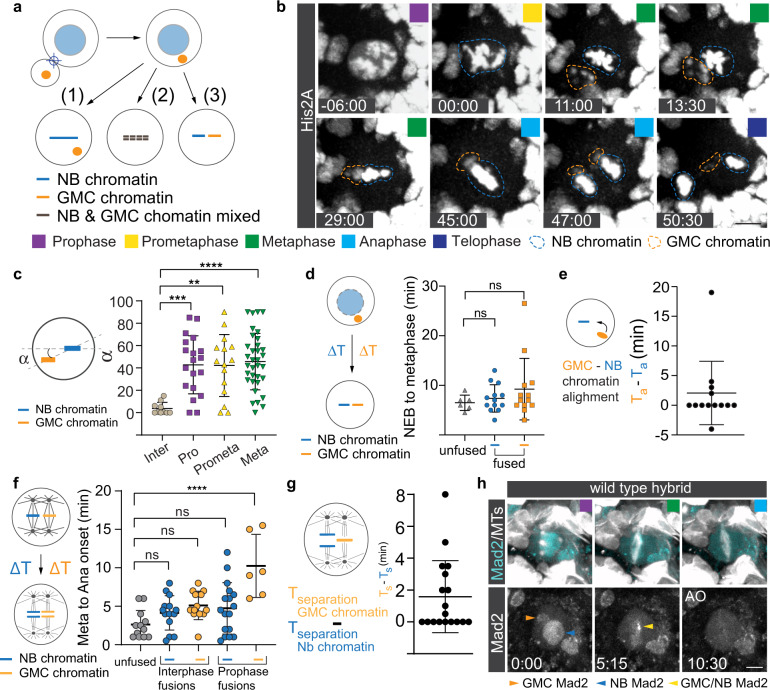
Separating chromosomes in fused cells
How fused Drosophila cells keep two genomes separate through asymmetric chromatin retention and nuclear envelope boundaries.
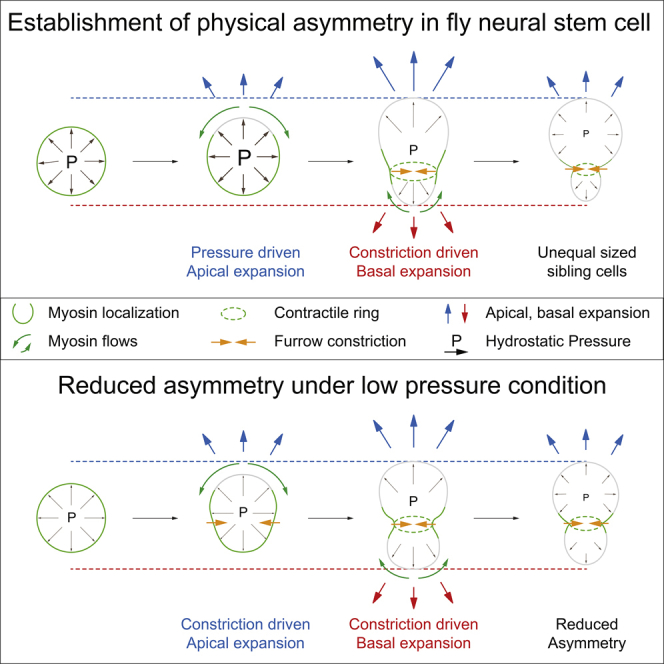
Sibling cell size asymmetry
Investigating how hydrostatic pressure and cortical actomyosin work together to produce two unequal-sized daughter cells during neural stem cell division.